What is an HRIS? (Definition, Key Features, and Benefits Explained)
Advertisement
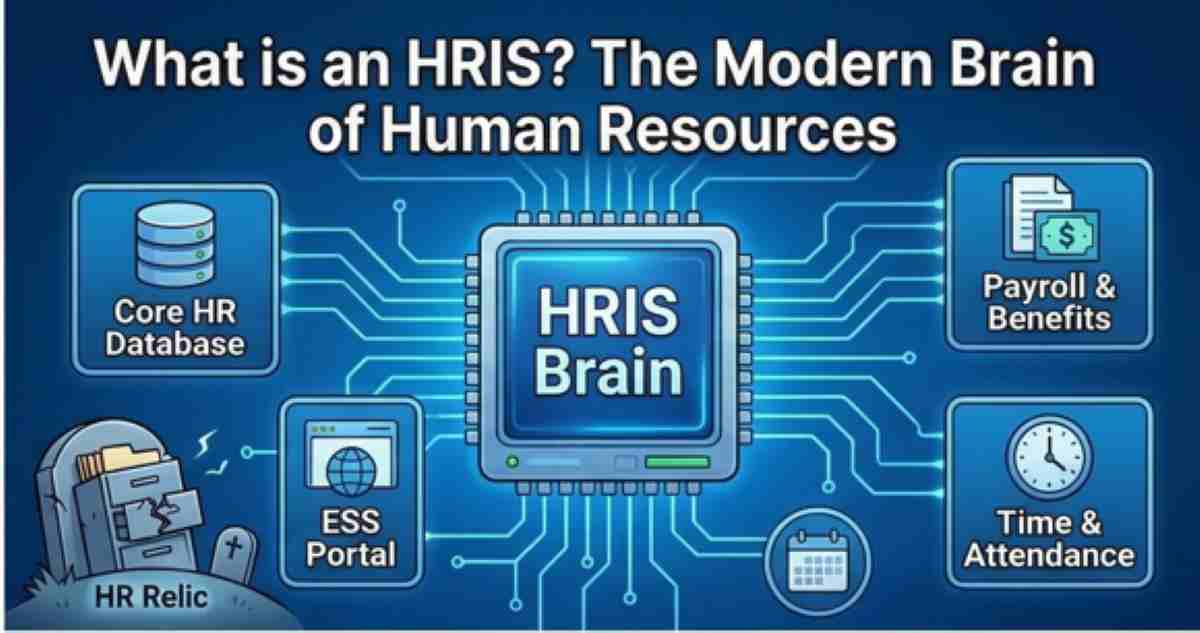
An HRIS is a software solution that maps out an organization’s HR processes and maintains a master database of employee information. It is the intersection of human resources and information technology, designed to improve both the efficiency of HR practitioners and the experience of the employees they serve.
The Core Pillars of a Modern HRIS
An HRIS is more than just a digital rolodex. In 2026, these platforms have evolved into comprehensive ecosystems that handle the entire employee lifecycle.
Core HR & Database Management: This is the foundation. It stores "Static Data" like social security numbers, addresses, and employment history, alongside "Dynamic Data" like performance ratings and compensation changes.
Payroll & Benefits Administration: By automating tax calculations, insurance deductions, and direct deposits, an HRIS eliminates the manual entry errors that lead to compliance nightmares.
Employee Self-Service (ESS): One of the biggest shifts in HR tech is giving power back to the employee. Through an ESS portal, staff can update their own bank details, request time off, and view pay stubs without sending a single email to the HR department.
Time & Attendance Tracking: Integrated clock-in systems and leave management ensure that labor costs are tracked accurately and that the company remains compliant with local labor laws.
Why Your Organization Needs an HRIS
The benefits of implementing a robust HRIS extend far beyond just "going paperless."
- Data-Driven Decision Making: With all employee data in one place, HR leaders can run "People Analytics" to identify trends like high turnover in specific departments or gaps in diversity and inclusion.
- Regulatory Compliance: Laws regarding data privacy (GDPR, CCPA) and labor standards change rapidly. A modern HRIS is updated automatically to ensure your record-keeping meets the latest legal requirements.
- Enhanced Employee Experience: Employees in 2026 expect a consumer-grade digital experience at work. A mobile-friendly HRIS that allows for instant updates and transparent communication fosters a culture of trust and professionality.
FAQ
What is the difference between HRIS, HRMS, and HCM?
While often used interchangeably, there are subtle differences. HRIS typically refers to the core database and administrative functions. HRMS (Human Resource Management System) often adds more complex "talent" elements like performance reviews. HCM (Human Capital Management) is the broadest term, encompassing the entire strategic approach to people, including workforce planning and advanced AI analytics.
Is employee data safe in a cloud-based HRIS?
Yes, provided you choose a reputable vendor. Most enterprise-grade HRIS platforms in 2026 use multi-factor authentication (MFA), end-to-end encryption, and are SOC 2 compliant. In many cases, cloud-based storage is significantly more secure than physical files or locally saved spreadsheets.
How long does it take to implement a new HRIS?
For a small business (under 50 employees), implementation can take as little as 2–4 weeks. For mid-to-large enterprises with complex payroll and integration needs, a full rollout typically takes 3–6 months. The key to a fast launch is having "clean" data ready for migration before the process begins.
Advertisement