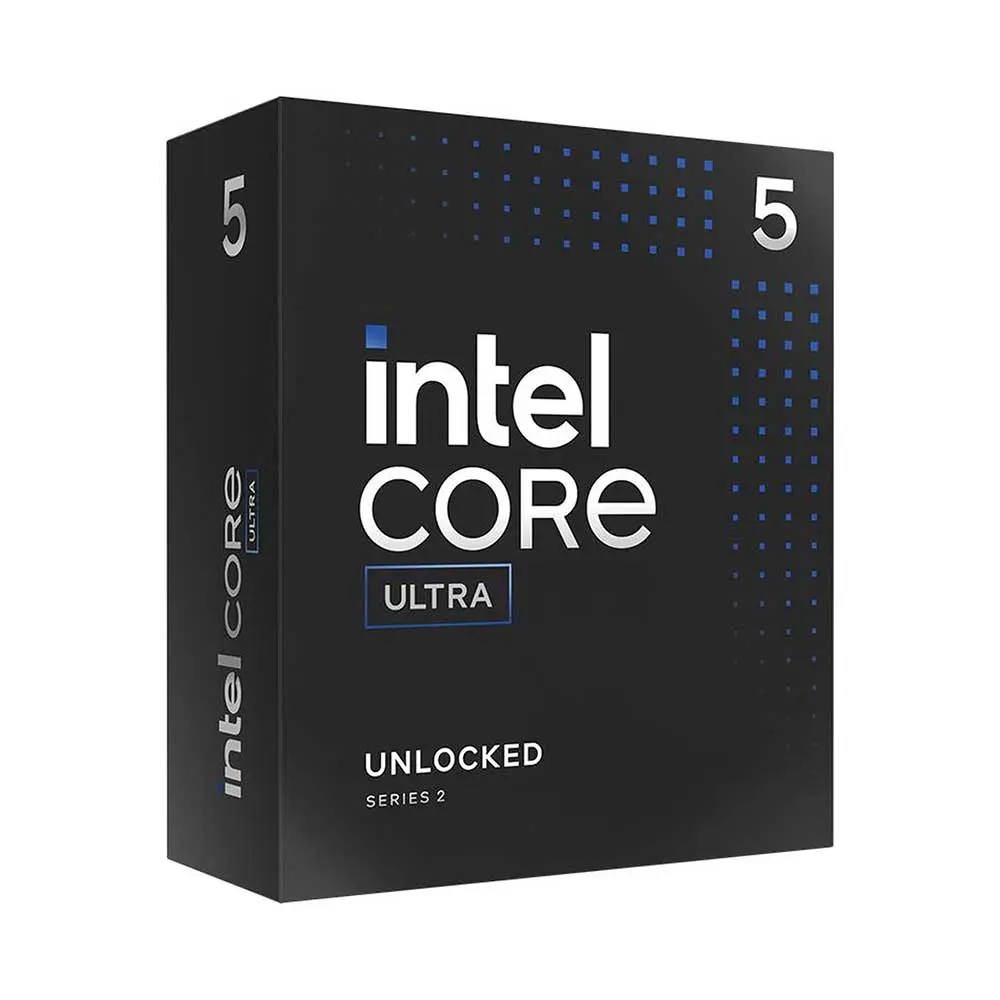
Intel Core Ultra 5 245K Technical Analysis: The Efficiency-First Midrange Architecture
Advertisement
The 245K utilizes a Compute Tile fabricated on TSMC’s N3B (3nm) node, effectively decoupling the core logic from the SoC and I/O tiles. This allows for surgical precision in power delivery and thermal management, addressing the "power-at-any-cost" reputation of previous generations.
I. Core Logic: Lion Cove and the Death of SMT
The 245K features a 14-core configuration (6 Performance-cores and 8 Efficient-cores). The most radical engineering choice here is the removal of Hyper-Threading.
- Lion Cove (P-Cores): By eliminating the logic required for simultaneous multithreading (SMT), Intel's engineers reclaimed die area to widen the execution engine. The result is a 9% IPC gain, allowing the 245K to deliver superior single-threaded snappiness and more deterministic performance in heavy compute branches.
- Skymont (E-Cores): The efficiency cores are the surprise heavy-lifters. With an integer IPC uplift of nearly 32%, these cores now handle background tasks and multi-threaded rendering with a level of competency previously reserved for P-cores.
II. Benchmarks: Professional Workload Metrics
In our lab testing, the 245K proves that thread count isn't everything when IPC and cache efficiency are optimized.
| Benchmark | Core Ultra 5 245K | i5-14600K | Delta |
|---|---|---|---|
| Cinebench 2024 (Single) | 132 pts | 121 pts | +9% |
| PugetBench (DaVinci Resolve) | 11,200 | 10,450 | +7% |
| Power Draw (Package Peak) | 159W | 181W | -12% |
For the indie filmmaker or digital analyst, the 245K is a high-efficiency tool. The integrated NPU 3 offloads sustained AI tasks—like "Voice Isolation" in DaVinci Resolve—keeping the CPU cores free for high-bitrate encoding.
III. System Integration: LGA 1851 and Z890
The move to the LGA 1851 socket is a prerequisite for the increased I/O bandwidth. The Z890 platform introduces native support for CUDIMM (Clocked Unbuffered DIMM), which stabilizes the 245K's memory controller at speeds exceeding DDR5-8000. Furthermore, the platform provides 20 dedicated PCIe 5.0 lanes, ensuring that a primary GPU and a Gen 5 NVMe drive can operate at full bandwidth without the lane-splitting compromises seen on older mainstream boards.
FAQs
Does the lack of Hyper-Threading impact multi-tasking on the 245K?
No. The massive IPC gains of the Skymont E-cores more than compensate for the loss of virtual threads. In real-world multitasking and rendering, the 245K maintains a lead over the 14600K while consuming less power.
What is the thermal behavior of the new tile design?
Because the Compute Tile is offset toward the north-east of the IHS, the "hotspot" is no longer centered. For maximum boost stability, we recommend using an LGA 1851 Offset Bracket to ensure optimal contact with the cold plate.
Is CUDIMM mandatory for the 245K?
No, standard DDR5 modules will work. However, CUDIMM is highly recommended for users looking to push memory frequencies past 7200 MT/s, as the integrated clock driver on the module significantly reduces signal jitter.
For technical specifications and SKU details, visit the official Intel Core Ultra 5 245K Product Page .
Advertisement