Architecture Analysis: Evaluating 10 Enterprise Container Security Platforms
Advertisement
Architecture Analysis: Evaluating 10 Enterprise Container Security Platforms
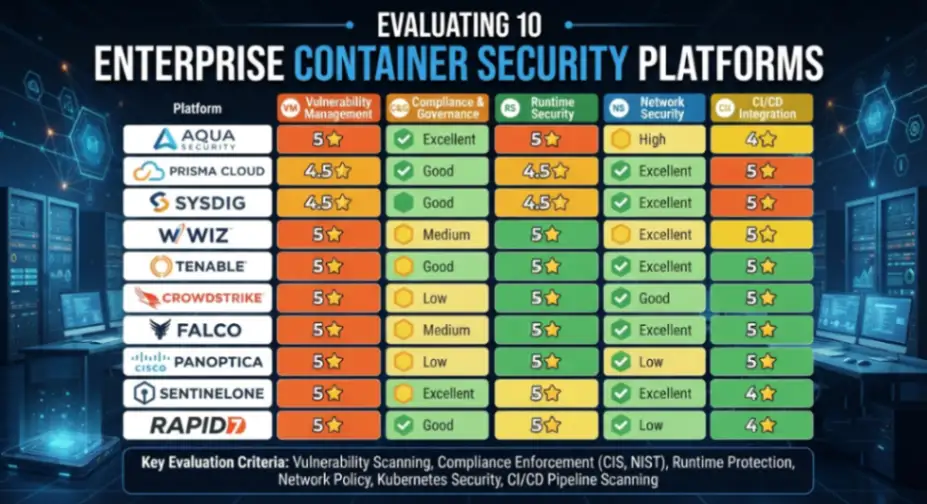
Securing microservices across Kubernetes clusters and distributed container registries requires unified security pipelines and real-time kernel observability. As specified by cloud security guidelines published by the National Institute of Standards and Technology (NIST), integrating shift-left scanning with continuous runtime threat detection is critical for defending against supply chain attacks and container privilege escalations. Below is a deep technical breakdown of 10 enterprise container security tools evaluated for production scalability and security efficacy.
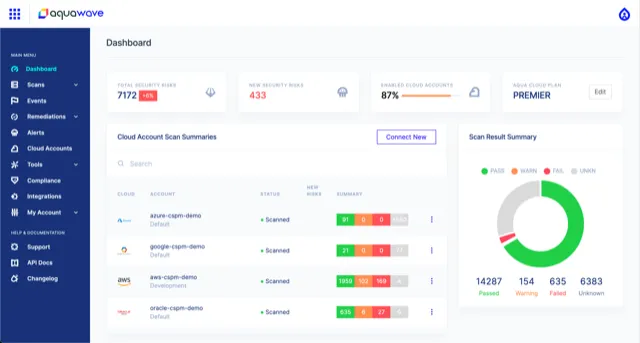
1. Aqua Security
Aqua Security provides a full-lifecycle Cloud Native Application Protection Platform (CNAPP) engineered to secure containerized workloads from build to runtime. It enforces granular drift prevention, preventing executable modifications within running containers, and automates image integrity checks across registries.
- Drift Prevention Engine: Enforces immutable runtime behavior by dynamically blocking modified binaries or unauthorized process executions.
- Full-Lifecycle Coverage: Integrates static image scanning in CI/CD, K8s admission control policies, and runtime eBPF telemetry.
- Deployment Architecture: Microservices-based deployment using containerized Enforcers running as Kubernetes DaemonSets alongside cloud SaaS controls.
2. Sysdig Secure
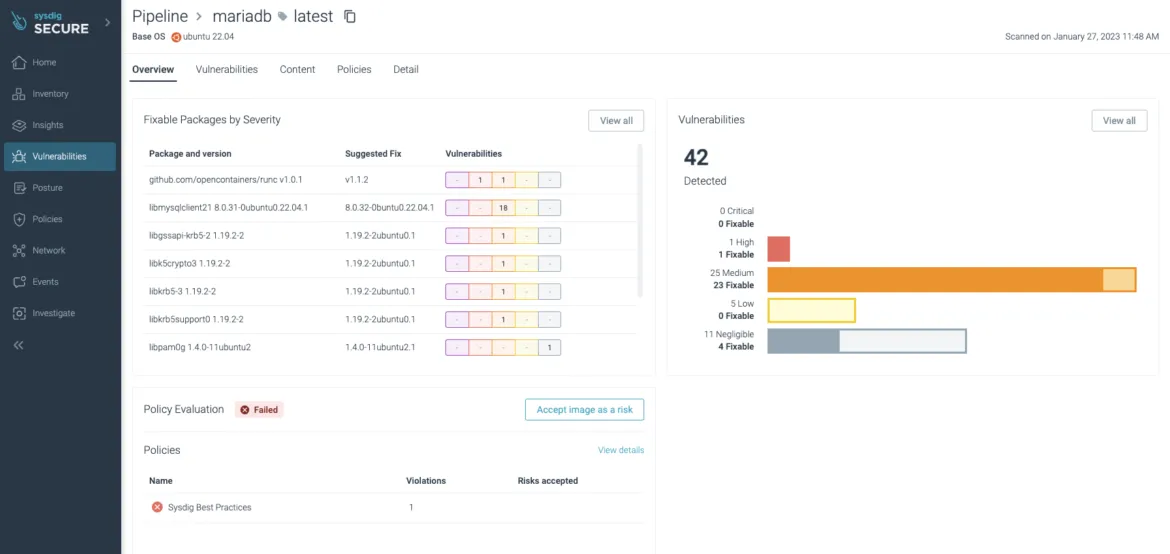
Sysdig Secure leverages deep kernel-level visibility powered by open-source Falco to deliver continuous container runtime threat detection and vulnerability management. It correlates system calls with Kubernetes audit logs to detect zero-day exploits, unauthorized privilege escalation, and anomalous network behaviors.
- Kernel-Level Telemetry: Utilizes eBPF instrumentation to capture system call events with minimal CPU overhead across high-density nodes.
- Shift-Left & Runtime Correlation: Maps runtime active risk profiles directly back to container images and pull requests in CI pipelines.
- Deployment Model: Hybrid SaaS and agent-based architecture deploying lightweight container agents to worker nodes.
3. Trivy (by Aqua Security)
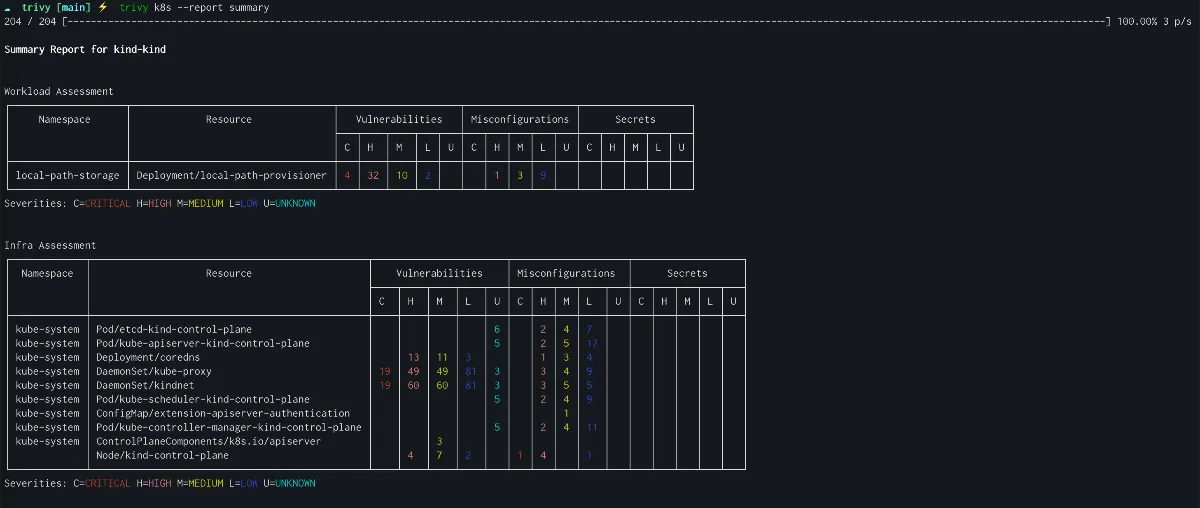
Trivy is a widely adopted open-source security scanner designed for comprehensive analysis of container images, file systems, Git repositories, and IaC manifests. It identifies OS package vulnerabilities, language-specific dependencies, embedded secrets, and misconfigurations in a single execution binary.
- All-in-One Artifact Scanner: Native support for scanning container images, Software Bill of Materials (SBOM), and Kubernetes manifests.
- High-Speed DB Sync: Automatically updates its local vulnerability database every six hours to provide real-time CVE detection.
- Deployment Footprint: Zero-dependency single executable binary ideal for seamless integration into GitHub Actions, GitLab CI, and ArgoCD pipelines.
4. Falco
Falco is a CNCF-graduated open-source container runtime security engine designed to detect anomalous system activity in real time. It parses Linux kernel system calls using eBPF probes and evaluates events against customizable rule sets to trigger security alerts.
- eBPF Kernel Monitoring: Direct kernel-level syscall inspection without requiring code instrumentation or container modifications.
- Flexible Rule Syntax: Expressive YAML-based policy rules mapped to standard threat frameworks including MITRE ATT&CK, PCI DSS, and HIPAA.
- Deployment Architecture: Deploys natively as a DaemonSet across Kubernetes nodes, exporting event streams to Webhooks, gRPC, or SIEM systems.
5. StackRox (Red Hat Advanced Cluster Security)
StackRox delivers Kubernetes-native security that enforces declarative policy controls directly through the Kubernetes API server. It provides automated image scanning, network segmentation visualization, and admission control policies to block non-compliant deployments.
- Kubernetes-Native Enforcement: Leverages native Kubernetes primitives (RBAC, NetworkPolicies, Admission Controllers) for security governance.
- Scanner V4 Engine: Advanced image scanning engine capable of parsing multi-arch container images and mapping detailed component graphs.
- Deployment Model: Fully open-source foundation (Apache 2.0) deployable as custom resource definitions (CRDs) across any CNCF-certified Kubernetes cluster.
6. Anchore Engine / Grype
Anchore Engine is an open-source image inspection framework that uses policy-based checks to enforce security and compliance standards on container artifacts. Paired with Grype, it offers high-speed vulnerability scanning and detailed Software Bill of Materials (SBOM) generation.
- SBOM-First Security Architecture: Generates granular Syft-formatted SBOMs to track nested software dependencies and licensing risks.
- Custom Policy Enforcement: Evaluates image contents against user-defined gate checks, failing builds that contain critical CVEs or root user permissions.
- Deployment Architecture: Containerized service providing RESTful APIs for orchestration platform and enterprise registry integration.
7. Clair
Clair is an open-source static vulnerability analysis engine for container images developed by Quay. It continuously indexes container layer manifests and correlates them against multiple upstream vulnerability feeds to identify security flaws.
- Layer-Based Static Analysis: Deconstructs container image layers individually, allowing cached scanning of common base layers across registries.
- Multi-Feed Ingestion: Ingests CVE data streams from Red Hat Security Data, Debian Bug Tracker, Ubuntu CVE Tracker, and NVD.
- Deployment Footprint: Microservices API service designed for native embedding within container registries like Project Harbor and Red Hat Quay.
8. Snyk Container
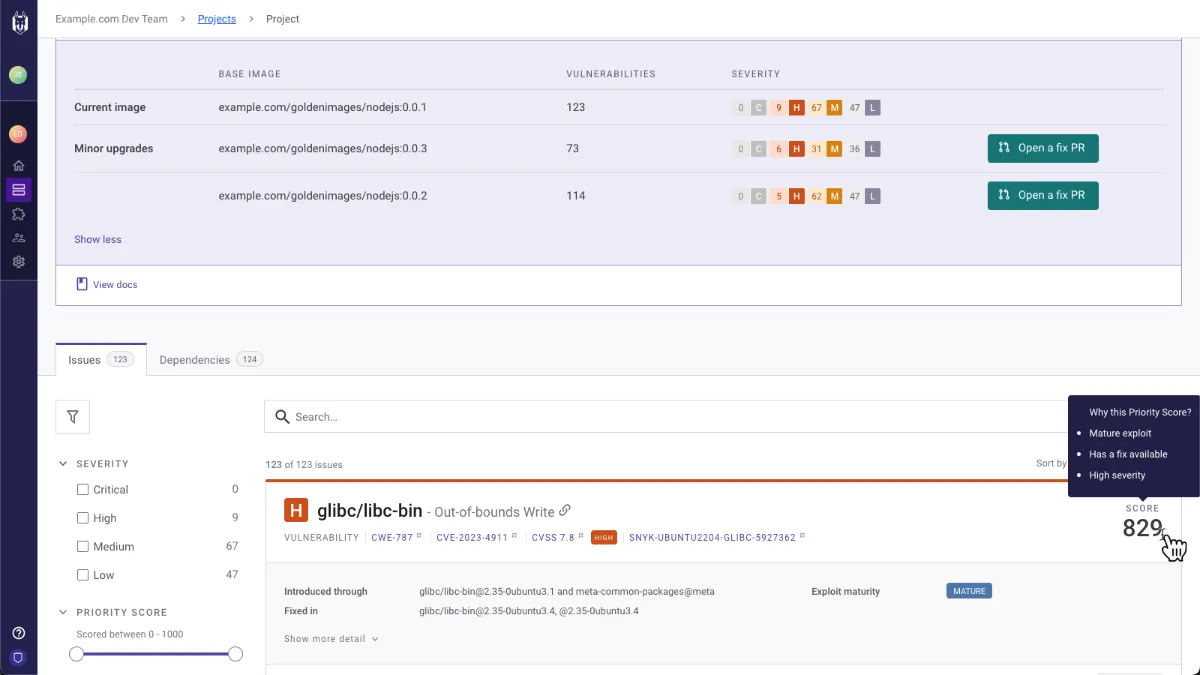
Snyk Container empowers developers to find and fix vulnerabilities in container images and Kubernetes manifests directly within their IDE and CI/CD workflows. It provides automated base image remediation advice, recommending secure alternative base images to minimize vulnerability counts.
- Automated Base Image Upgrades: Identifies minimal-effort base image upgrades to remediate hundreds of downstream dependencies instantly.
- Developer-First Integrations: Deep native plugins for VS Code, GitHub, GitLab, Docker Desktop, and CLI pipelines.
- Deployment Model: SaaS platform backed by local CLI agents and cloud integration webhooks.
9. Portainer
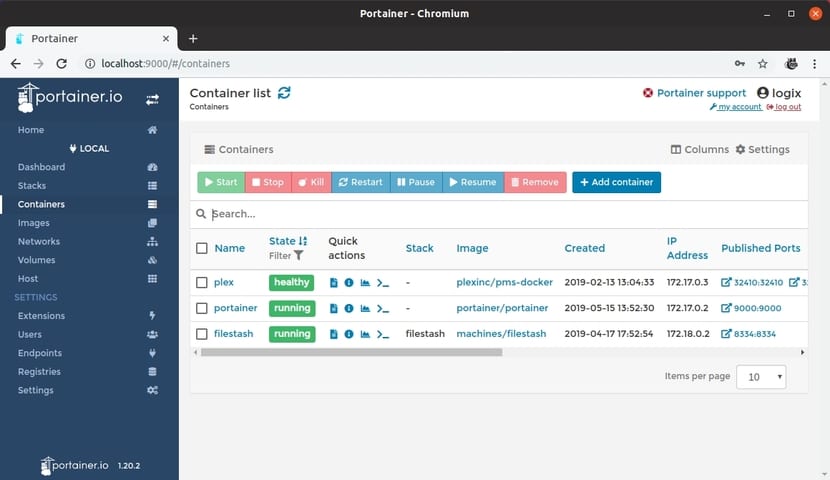
Portainer provides unified container management and security governance across Kubernetes, Docker, and Nomad clusters. It simplifies cluster RBAC configuration, enforces container deployment templates, and secures administrative access across hybrid container fleets.
- Centralized Access Control: Enforces granular Role-Based Access Control (RBAC) integrated with enterprise SSO, LDAP, and OAuth identity providers.
- Policy & Registry Governance: Restricts unauthorized registry connections and enforces container security configurations at deploy time.
- Deployment Architecture: Lightweight Portainer Server container connected to edge nodes via lightweight secure agents.
10. Wiz
Wiz is an agentless Cloud Native Application Protection Platform (CNAPP) that continuously analyzes container workloads, cloud environments, and Kubernetes state graphs. It links container vulnerabilities, secrets, exposure paths, and privilege risks into a unified cloud risk graph.
- Agentless Graph Security: Analyzes container disk snapshots via cloud APIs without placing runtime agents on host instances.
- Attack Path Prioritization: Correlates container vulnerabilities with network exposure and identity permissions to highlight toxic risk combinations.
- Deployment Model: 100% SaaS platform connecting to AWS, Azure, GCP, and managed Kubernetes services via API roles.
Frequently Asked Questions
What is the difference between static image scanning and runtime container security?
Static image scanning analyzes container layers and code dependencies at rest within registries or CI/CD pipelines to identify known CVEs, hardcoded secrets, and misconfigurations before deployment. Runtime container security monitors live container processes, system calls, and network traffic using technologies like eBPF to detect zero-day threats, privilege escalation, and anomalous behaviors in production.
How does eBPF improve container runtime threat detection over traditional agents?
eBPF (Extended Berkeley Packet Filter) runs sandboxed programs directly within the Linux kernel, allowing security tools to monitor kernel system calls, process executions, and network packets with high performance and low overhead. Unlike traditional user-space agents, eBPF probes cannot be bypassed by compromised container processes or root privilege escalations.
Why is Software Bill of Materials (SBOM) generation essential for container security?
An SBOM provides a complete, structured inventory of all open-source packages, libraries, and binaries embedded within a container image. Generating SBOMs during the container build process allows security teams to rapidly perform blast-radius analysis when new zero-day vulnerabilities are disclosed, ensuring continuous supply chain compliance.
Advertisement