Deep-Dive Technical Review: ScienceLogic SL1 AIOps Platform Architecture
Advertisement
Deep-Dive Technical Review: ScienceLogic SL1 AIOps Platform Architecture
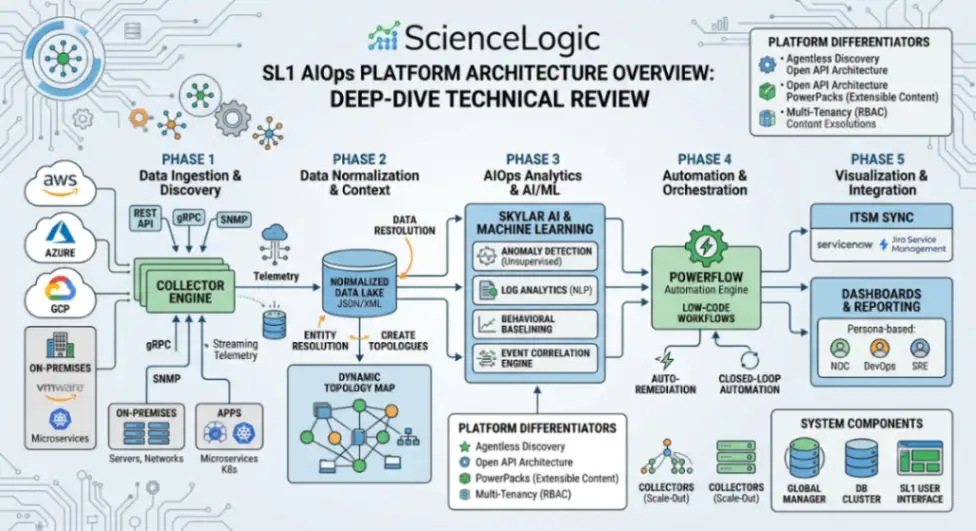
Modern enterprise IT operations demand scalable telemetry ingestion across fragmented cloud-native architectures, legacy hypervisors, and distributed network fabrics. Standard compliance and telemetry frameworks defined by organizations such as NIST emphasize strict logging standards, zero-trust network monitoring, and standardized data orchestration. ScienceLogic SL1 meets these enterprise governance standards by providing end-to-end visibility, automated ITSM synchronization, and algorithmic event suppression to substantially lower Mean Time to Resolution (MTTR).
1. Hybrid Infrastructure Discovery and Telemetry Ingestion
ScienceLogic SL1 utilizes a distributed collector architecture to perform automated agentless and agent-based discovery across multi-cloud and on-premises environments. The platform ingests unstructured log streams, metric metrics, and stateful events, mapping them into unified telemetry primitives for real-time operational analysis.
- Multi-Protocol Data Ingestion: Native support for SNMP v1/v2c/v3, WMI, SSH, gRPC telemetry, Syslog, and custom REST APIs guarantees full-stack visibility without requiring legacy agent installations.
- Distributed Collector Engine: Uses scalable, localized collector appliances that offload compute overhead from the central database while securely tunneling encrypted payload data (TLS 1.3).
- Container and Cloud Native Observability: Ingests Kubernetes API telemetry and cloud provider streams (AWS CloudWatch, Azure Monitor, GCP Stackdriver) for dynamic resource tagging.
2. Dynamic Application PowerPacks
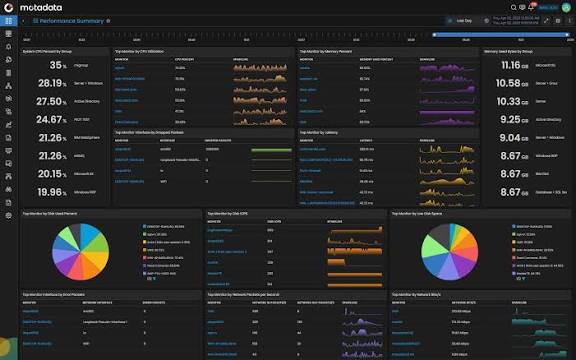
PowerPacks are modular, version-controlled content packages containing discovery objects, collection logic, and visualization dashboards that extend SL1 functionality to specific technologies. They enable rapid onboarding of proprietary enterprise software alongside standard commodity hardware platforms.
- Extensible SDK Architecture: Allows engineers to author custom Dynamic Applications using Python, Snippets, and XML schema definitions to extract proprietary metrics.
- Modular Content Versioning: Isolated deployment structure allows IT operators to update individual dynamic applications without impacting core platform stability or database schemas.
- Pre-Built Enterprise Integrations: Features 400+ out-of-the-box PowerPacks covering vendor stacks including Cisco, VMware, Nutanix, Palo Alto Networks, and SAP.
3. Topology-Based Contextual Relationship Mapping
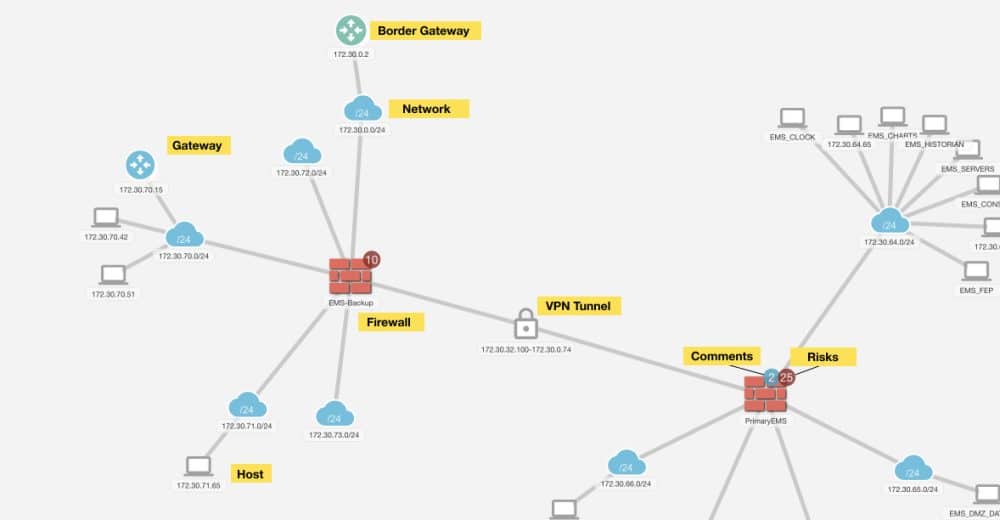
SL1 abstracts raw metric streams by generating dynamic multi-tier dependency maps that correlate physical components, virtualized compute layers, and business services. This dynamic context is maintained continuously using active network probing and passive telemetry ingestion.
- L2/L3 Topology Auto-Discovery: Maps physical layer switches, VLAN boundaries, and virtual network interfaces using CDP, LLDP, and routing table analysis.
- Cross-Domain Lineage Tracking: Tracks complex dependencies across hybrid boundaries, linking containerized microservices to underlying physical hypervisors and storage LUNs.
- CMDB Synchronization Graph: Exposes real-time relationship models directly to enterprise CMDBs via bidirectional REST endpoints to ensure configuration accuracy.
4. Skylar AI Anomaly Detection and Predictive Analytics
Skylar AI serves as SL1's core machine learning engine, establishing baseline behaviors for millions of metrics without manual threshold configuration. It applies unsupervised learning algorithms to detect subtle operational drift and predict capacity exhaustion prior to service failure.
- Unsupervised Baseline Generation: Continuously recalculates seasonal statistical thresholds (time-of-day/day-of-week variants) to eliminate dynamic threshold maintenance.
- Log Anomaly Pattern Recognition: Uses Natural Language Processing (NLP) to cluster unstructured log messages and identify abnormal log sequence spikes.
- Predictive Metrics Analysis: Runs time-series forecasting algorithms on compute, storage, and bandwidth usage to provide proactive capacity planning alerts.
5. Algorithmic Event Correlation and Suppression
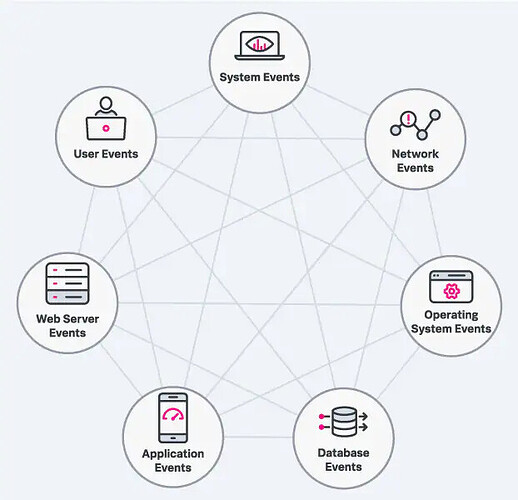
The SL1 event engine correlates incoming alerts against dynamic topology graphs and historical incident patterns to collapse thousands of redundant notifications into a single, actionable incident. This significantly mitigates alert fatigue for enterprise Network Operations Center (NOC) teams.
- Topology-Aware De-duplication: Groups upstream failure events and suppresses downstream secondary alerts based on verified physical and logical network pathways.
- Pattern-Based Clustering: Combines temporal alert proximity with machine learning pattern matching to aggregate disparate metric threshold breaches.
- Customizable Event Policies: Supports explicit, user-defined policy overrides using boolean logic, custom regex matching, and severity escalations.
6. PowerFlow Automation and Workflow Orchestration
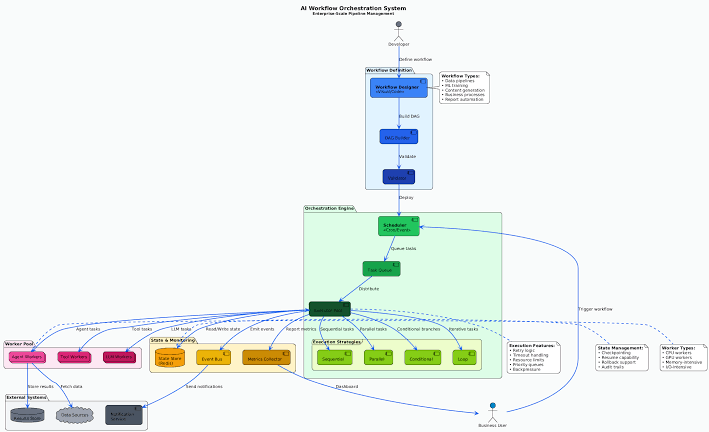
ScienceLogic PowerFlow acts as the low-code integration framework that operationalizes SL1 insights by orchestrating workflows across third-party enterprise tools. It automates ticket lifecycle management, configuration changes, and self-healing remediation routines.
- Bi-Directional ITSM Integration: Maintains stateful, real-time synchronization with platforms like ServiceNow and BMC Helix for automated incident creation and enrichment.
- Low-Code Visual Workflow Designer: Provides a drag-and-drop interface for building complex integration pipelines using pre-built Python tasks and REST connectors.
- Closed-Loop Auto-Remediation: Executes validated remediation scripts (Ansible playbooks, SSH commands, AWS Lambda) to resolve known failure modes automatically.
7. Multi-Tenant Enterprise Architecture
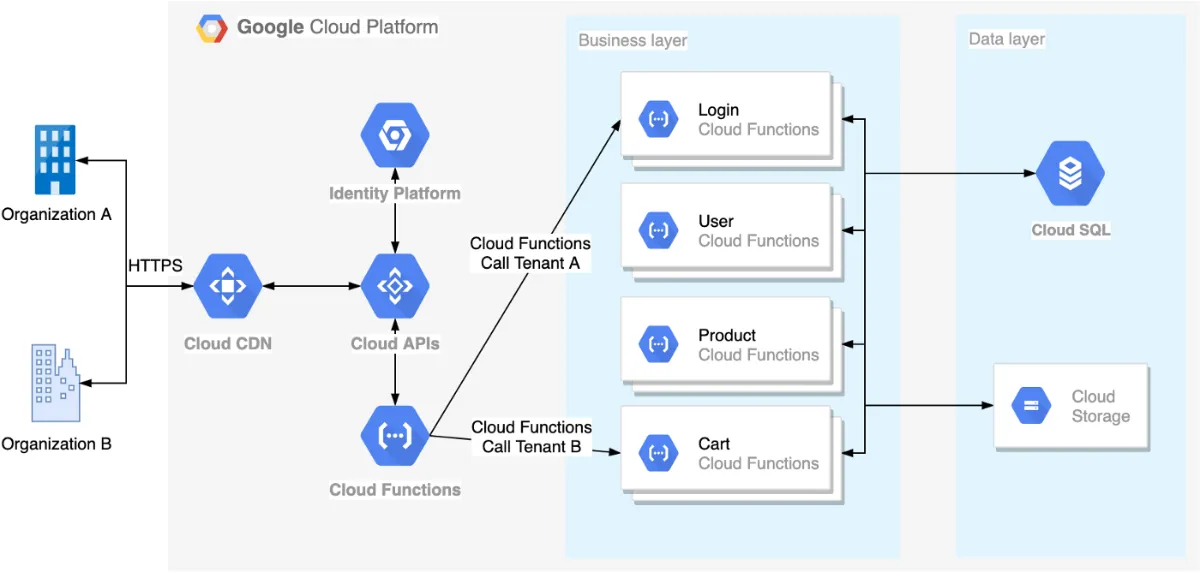
Designed natively for Managed Service Providers (MSPs) and global enterprises, SL1 implements strict logical data separation and role-based access control across multi-tenant deployments. Data privacy is maintained across all ingestion, processing, and visualization layers.
- Logical Tenant Isolation: Segregates organizational assets, event queues, dashboards, and reporting views within a single centralized cluster deployment.
- Granular RBAC and SAML 2.0/OIDC Support: Integrates directly with enterprise Identity Providers (IdPs) like Okta and Active Directory to enforce zero-trust privileges.
- Distributed Collector Encryption: Enforces AES-256 encryption for cached local telemetry and TLS 1.3 transport security for all inter-appliance communication.
8. Real-Time Interactive Dashboards and Business Service Insights
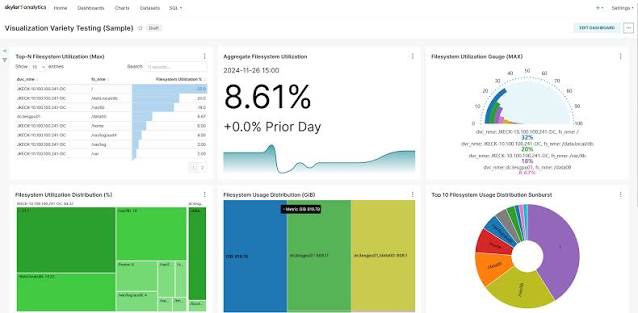
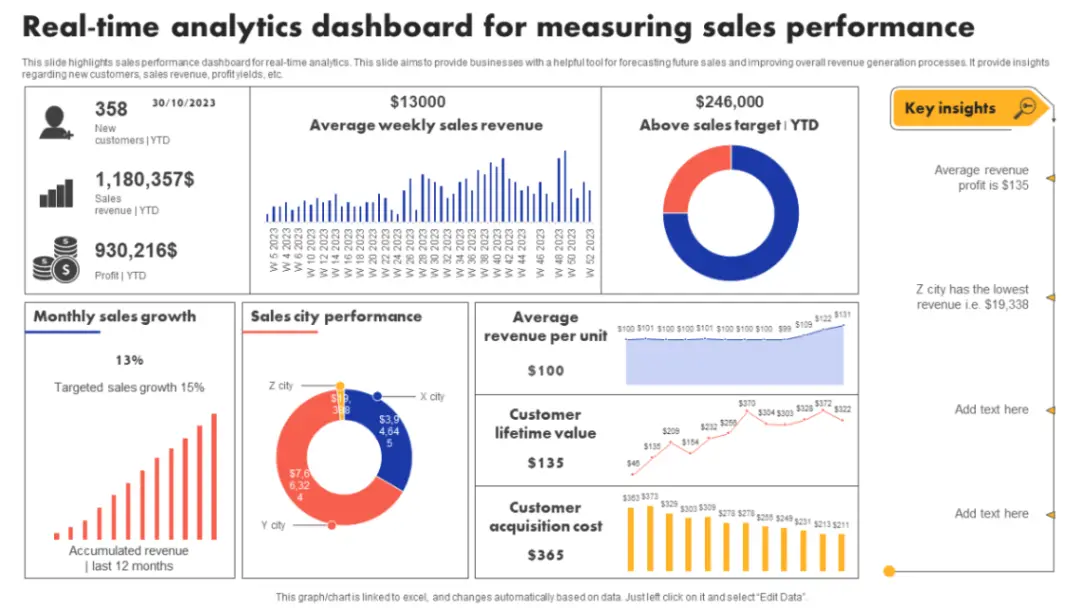
SL1 translates technical operational metrics into high-level Business Service Views, quantifying IT infrastructure performance in terms of business availability, service health, and risk scores. The customizable UI allows disparate teams to align around operational SLAs.
- Customizable HTML5 Widgets: Offers a wide array of graphical widgets, interactive topology widgets, and time-series metrics charts with strict granular filtering.
- Service Health & Risk Scoring: Aggregates health, availability, and risk parameters into composite numerical indicators representing overall business service integrity.
- Role-Based Executive Views: Provides tailored reporting interfaces ranging from deep-dive NOC troubleshooting consoles to high-level C-suite SLA compliance dashboards.
Frequently Asked Questions
How does ScienceLogic SL1 ingest telemetry from legacy, non-REST infrastructure?
ScienceLogic SL1 utilizes native collector appliances equipped with legacy protocols such as SNMP v1/v2c/v3, WMI, SSH, Syslog, and raw TCP/UDP sockets. These collectors process raw device outputs locally and translate them into normalized XML/JSON payloads before transmission to the central database platform.
What sets ScienceLogic PowerFlow apart from standard Webhook-based integrations?
Unlike simple unidirectional webhooks, PowerFlow is a dedicated low-code integration engine that executes stateful, bi-directional workflows. It manages rate limits, payload transformation, retry logic, and complex data mapping between SL1, ITSM solutions (e.g., ServiceNow), and DevOps automation frameworks.
Can ScienceLogic SL1 be deployed in hybrid air-gapped environments?
Yes. ScienceLogic SL1 can be deployed completely on-premises as virtual or physical appliances, within isolated private clouds, or across air-gapped enterprise architectures. It does not require continuous outbound connectivity to external SaaS endpoints to execute core telemetry ingestion, topology generation, or event correlation.
Advertisement