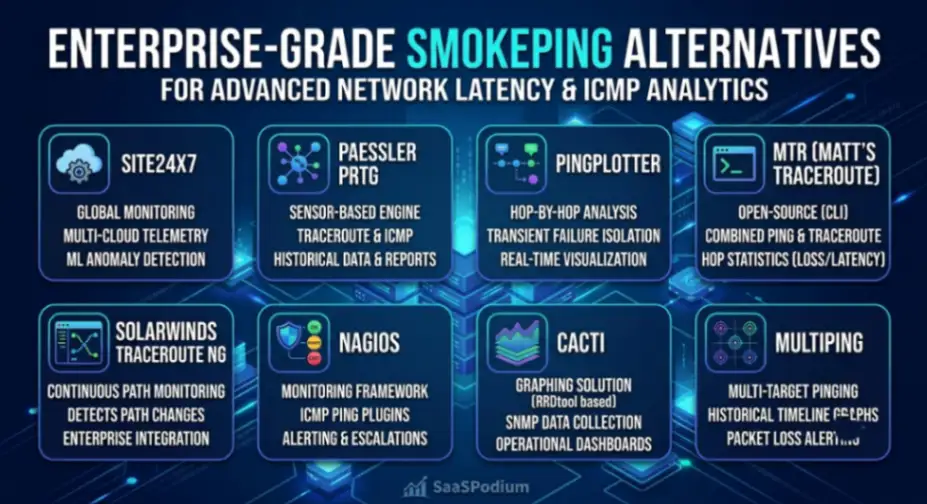
Enterprise-Grade SmokePing Alternatives for Advanced Network Latency & ICMP Analytics
Advertisement
Enterprise-Grade SmokePing Alternatives for Advanced Network Latency & ICMP Analytics
While SmokePing has historically served as a benchmark for measuring network latency and packet loss using interactive graph generation, modern hybrid-cloud topologies and distributed software architectures demand more resilient, scalable observability solutions. Enterprise networks governed by protocols like RFC 792 ICMP require continuous polling engines capable of handling multi-cloud telemetry, automated root-cause analysis, dynamic threshold alerting, and REST API integrations that integrate seamlessly into modern DevOps pipelines.
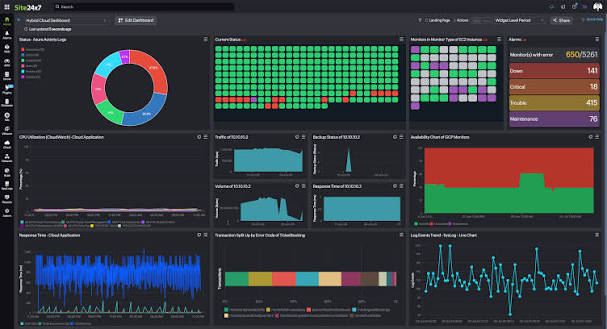
1. Site24x7
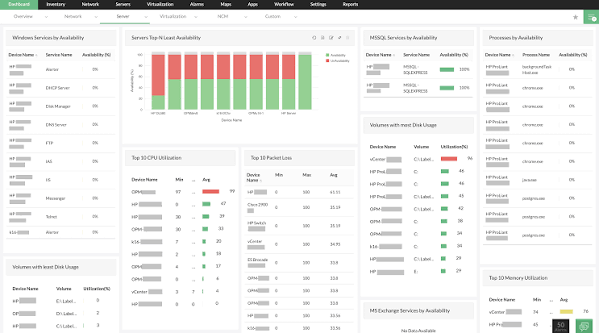
Site24x7 is a cloud-native monitoring platform that offers continuous, global network path analysis, automated ICMP polling, and latency tracking across multi-cloud environments. Its distributed architecture eliminates the overhead of managing local polling nodes while maintaining sub-second metric visibility.
- APIs & Integration: Native REST APIs, Webhooks, and out-of-the-box integrations with ServiceNow, Slack, and PagerDuty for real-time incident automation.
- AI & ML Models: Anomaly detection algorithms powered by machine learning establish dynamic performance baselines to eliminate false-positive alerts.
- Deployment Types: Fully hosted SaaS infrastructure supplemented by lightweight on-premise private location polling agents.
2. Paessler PRTG Network Monitor
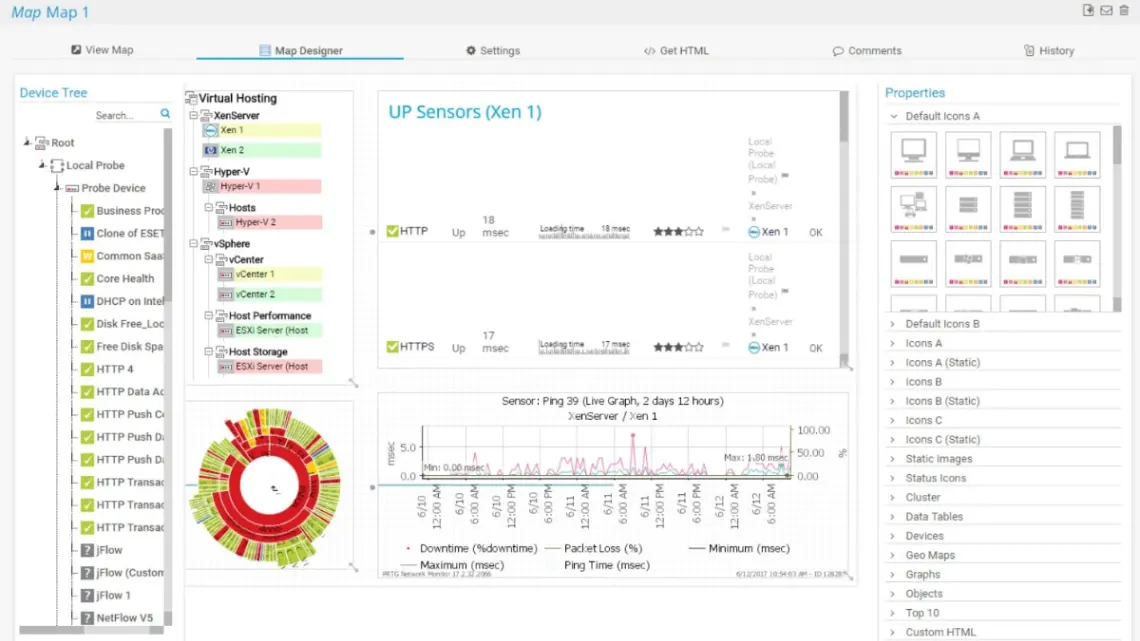
Paessler PRTG Network Monitor uses a flexible sensor-based engine to track packet loss, ping response, and network hops across heterogeneous enterprise environments. It extends standard ping metrics by correlating layer-3 latency with SNMP, WMI, and Flow-based traffic telemetry.
- APIs & Integration: Robust HTTP REST API and custom Python/PowerShell script sensors for extending custom metric extraction.
- AI & ML Models: Predictive threshold analytics that evaluate historical sensor metrics to forecast capacity bottlenecks.
- Deployment Types: On-premise Windows Server installations alongside PRTG Hosted Monitor cloud deployments.
3. PingPlotter
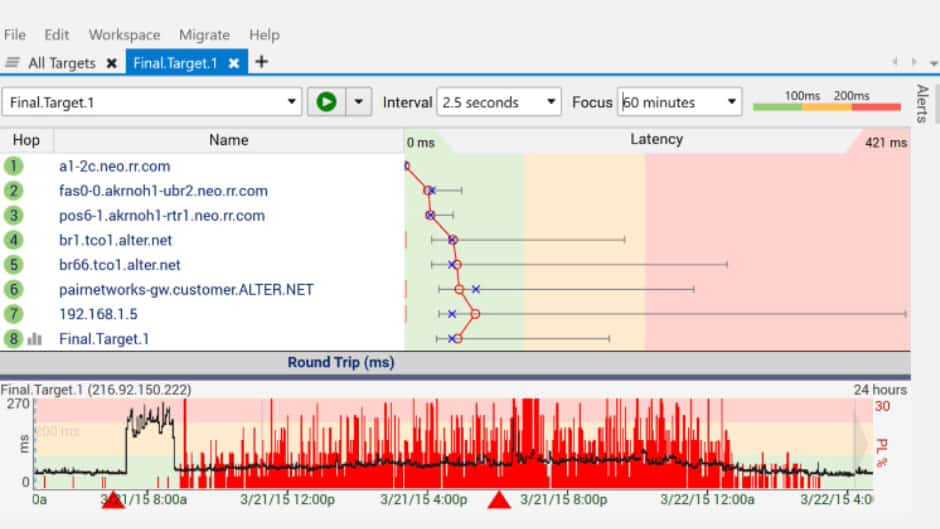
PingPlotter combines ICMP traceroute and ping testing to deliver continuous, real-time graphical visualization of network performance over extended timeframes. It isolates transient routing delays and hop-by-hop packet drops along critical WAN paths.
- APIs & Integration: Local REST API and automated script triggers via command-line interface (CLI) for enterprise orchestration.
- AI & ML Models: Automated pattern recognition engines that pinpoint specific intermediate network hop failures and routing degradation.
- Deployment Types: Standalone desktop installations (Windows, macOS, iOS) and distributed multi-endpoint Cloud agent deployments.
4. MTR (Matt's Traceroute)
MTR is a ubiquitous open-source command-line network diagnostic tool that unifies the capabilities of traceroute and ping into a single continuous analysis utility. It provides real-time hop-by-hop latency and packet loss statistics directly within the administrative terminal.
- APIs & Integration: Structured JSON, XML, and raw text output modes designed for parsing by automated bash, Python, or Ansible scripts.
- AI & ML Models: Deterministic statistical analysis displaying min, max, mean, and standard deviation metrics per hop.
- Deployment Types: Native CLI utility for Linux, Unix, and macOS environments, as well as Windows ports (WinMTR).
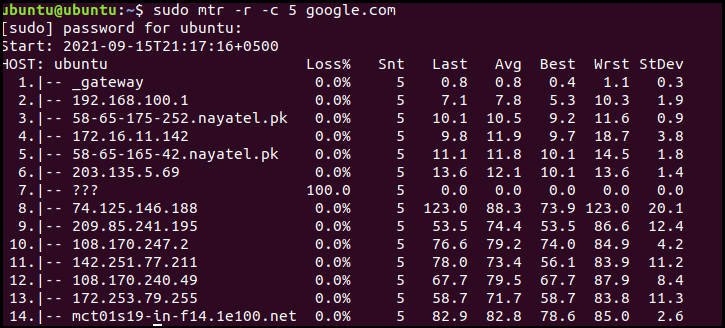
5. SolarWinds Traceroute NG
SolarWinds Traceroute NG provides continuous TCP and ICMP path monitoring with real-time detection of path changes, route flap, and hop performance drops. It generates persistent execution logs while rendering live network path changes on an intuitive console.
- APIs & Integration: Native integration with the broader SolarWinds Orion Platform ecosystem and automated syslog export triggers.
- AI & ML Models: Heuristic route-path analysis that detects intermediate firewall blocking and asymmetric routing behaviors.
- Deployment Types: Portable lightweight binary installation designed for local Windows workstation and server execution.
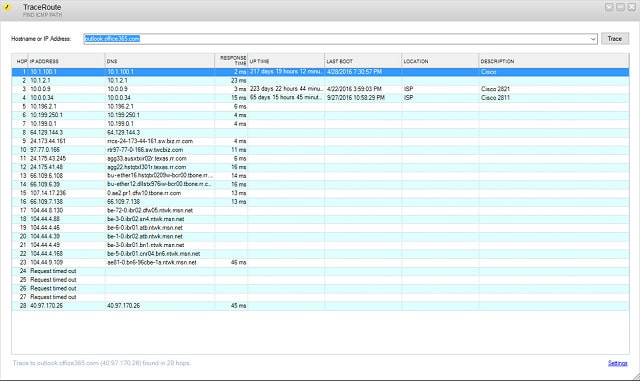
6. Nagios
Nagios is an industry-standard open-source IT infrastructure monitoring framework that utilizes continuous ping check plugins to monitor host availability and network latency. Its modular daemon architecture supports massive scaling across complex enterprise infrastructures.
- APIs & Integration: Complete REST API via Nagios XI, support for NRPE (Nagios Remote Plugin Executor), and thousands of community plugins.
- AI & ML Models: Baseline threshold computation models within Nagios XI for predictive host outage forecasting.
- Deployment Types: On-premise Linux distributions (RHEL, CentOS, Ubuntu), virtual appliances, and cloud marketplace instances.
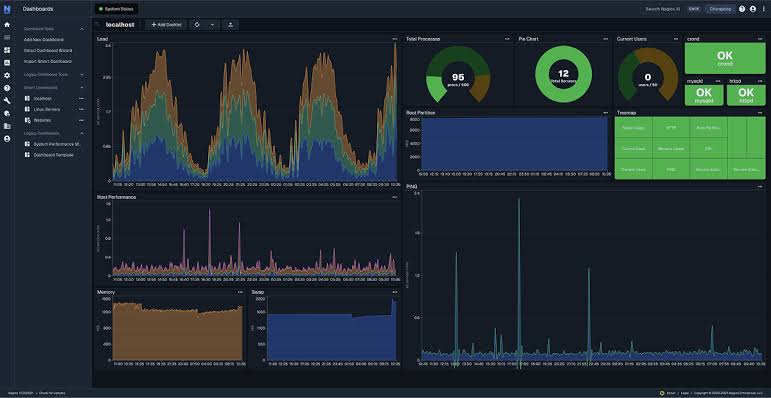
7. Cacti
Cacti is an open-source network monitoring and graphing tool designed as a operational front-end to RRDtool, capable of logging and rendering high-density ICMP latency data. It leverages a distributed polling engine (Spine) to capture performance metrics from thousands of network devices.
- APIs & Integration: Native automation APIs for device provisioning, template management, and SNMP metric collection hooks.
- AI & ML Models: Time-series data aggregation algorithms optimized for high-speed RRD file read/write operations.
- Deployment Types: Self-hosted Linux/Unix installations powered by MySQL/MariaDB, PHP, and Apache/Nginx web stacks.
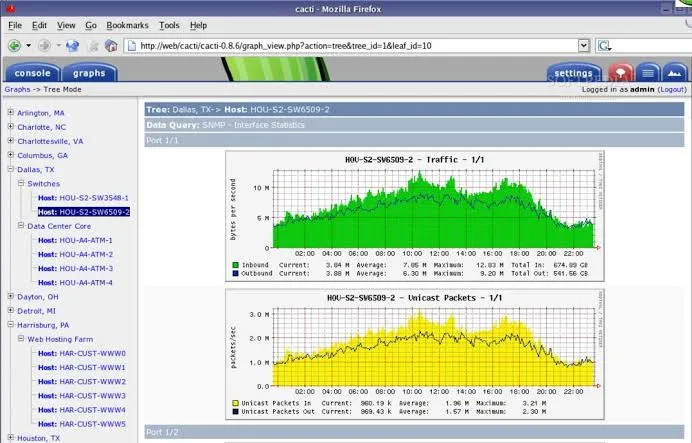
8. MultiPing
MultiPing is a specialized Windows network monitoring utility designed for real-time, simultaneous pinging of dozens of IP addresses and domain names. It presents historical timeline graphs of response times and packet loss, allowing instant relaunching of diagnostic sessions.
- APIs & Integration: Configurable ping alerts triggering external executable binaries, email notifications, and audio alerts.
- AI & ML Models: Threshold-based evaluation engines designed to flag continuous packet loss spikes across target subnets.
- Deployment Types: On-premise Windows desktop and server client application.
Frequently Asked Questions
Why should engineering teams migrate away from SmokePing?
While SmokePing excels at lightweight ICMP tracking, its dependency on Perl scripts, local flat-file storage (RRDtool), and lack of native REST APIs or machine-learning anomaly detection limits its scale in modern, multi-cloud automated infrastructure environments.
Can these SmokePing alternatives monitor TCP and UDP performance alongside ICMP?
Yes, modern solutions like Site24x7, PRTG, and PingPlotter support multi-protocol probing including TCP port checks, UDP round-trip time measurements, HTTP/S availability, and synthetic endpoint transactions.
Which SmokePing alternatives support open-source deployment models?
Nagios, Cacti, and MTR are fully open-source alternatives that allow self-hosted deployment, custom source code modification, and direct integration into self-managed enterprise Linux stacks.
Advertisement