Top 10 File Integrity Monitoring Solutions for Enterprise Compliance & Real-Time Threat Detection
Advertisement
Top 10 File Integrity Monitoring Solutions for Enterprise Compliance & Real-Time Threat Detection
In modern enterprise security architectures, unmonitored file state modifications represent primary vectors for privilege escalation, persistence mechanisms, and ransomware deployment. Security operations teams rely on centralized audit controls aligned with rigorous technical guidelines from the National Institute of Standards and Technology (NIST) to establish baseline integrity verification, stream structured change events into SIEM platforms, and contain insider threats across multi-cloud and on-premises endpoints.
1. SolarWinds Security Event Manager (SEM)
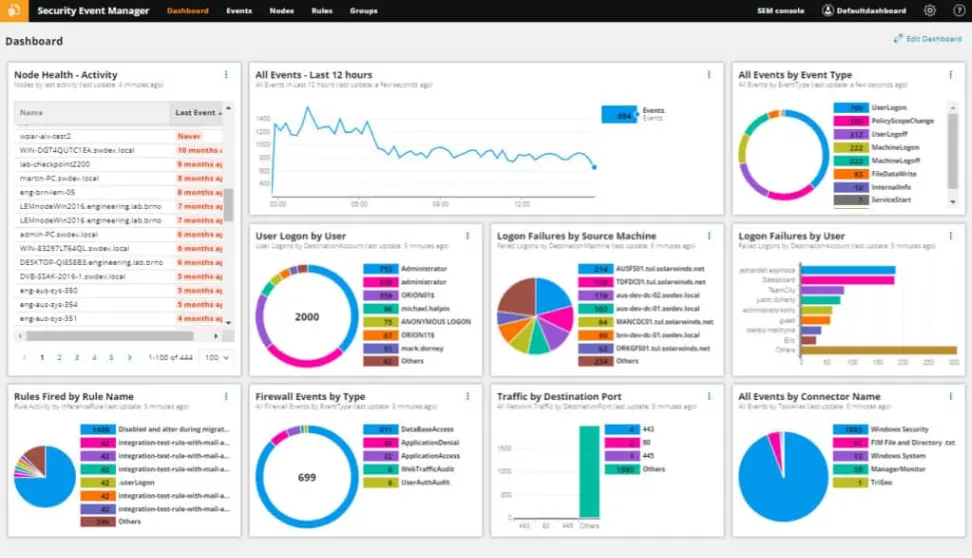
SolarWinds SEM combines real-time File Integrity Monitoring with automated log centralization and event correlation to safeguard critical server infrastructures. Its embedded FIM module audits file modifications, permission alterations, and registry shifts while automatically initiating policy-driven response actions.
- APIs & Protocols: REST API, Syslog, Active Directory LDAP, SNMP traps, and Windows Event Log API integrations.
- ML & Analytics: Rule-based event correlation engine providing real-time pattern recognition for mass file deletion and unauthorized privilege access.
- Deployment Types: Self-hosted virtual appliance (VMware ESXi, Microsoft Hyper-V) with lightweight endpoint agent software.
2. Tripwire Enterprise
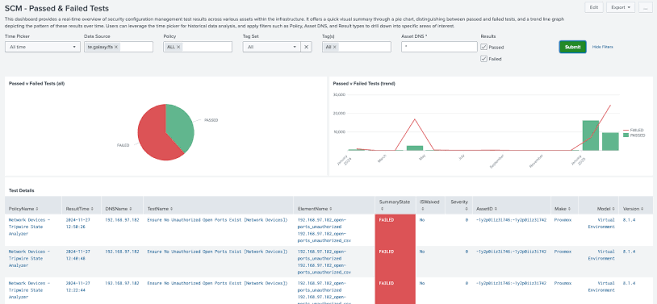
Tripwire Enterprise delivers enterprise-grade configuration control and continuous file integrity monitoring through comprehensive cryptographic baselining. It automatically detects, analyzes, and flags unauthorized state changes across complex hybrid IT environments, operating systems, and active directory infrastructure.
- APIs & Protocols: RESTful API, SOAP, Syslog, SNMP, and direct integration hooks for major SIEM architectures.
- ML & Analytics: Algorithmic change reconciliation engine that cross-references modified files against authorized ITSM work orders.
- Deployment Types: On-Premises enterprise server cluster or Cloud IaaS management console with cross-platform agent agents.
3. Qualys File Integrity Monitoring
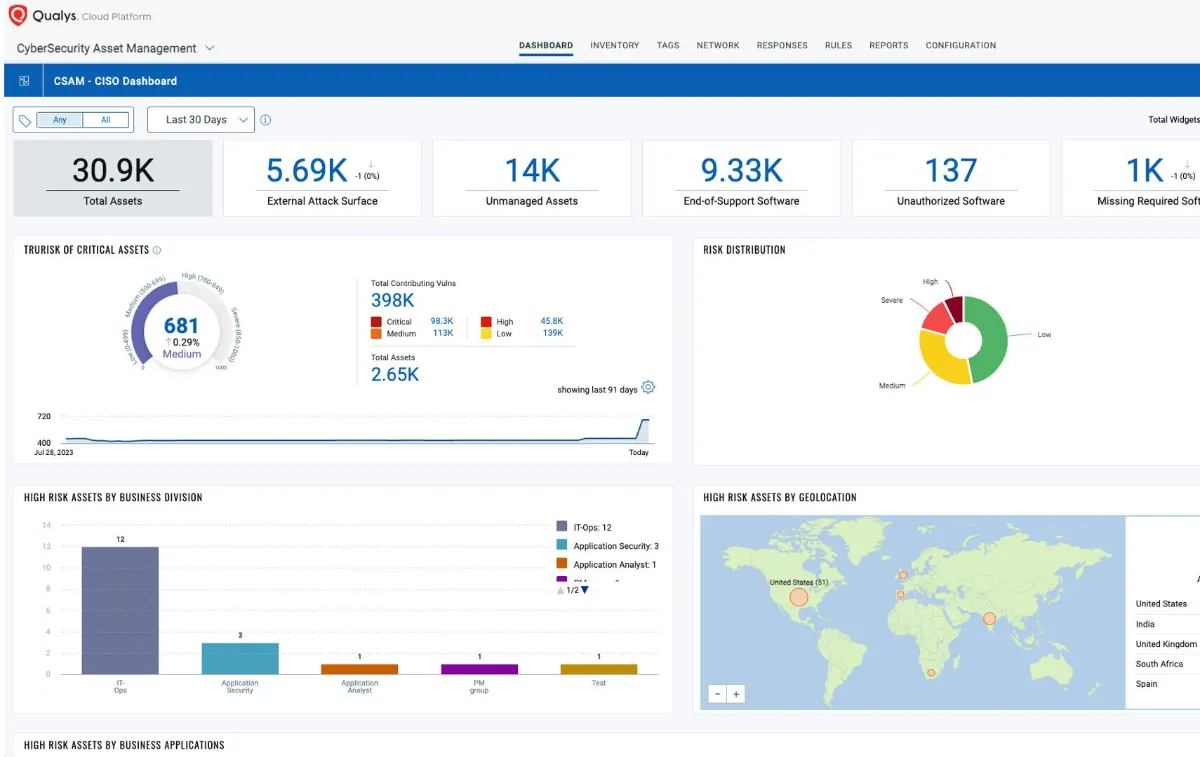
Qualys FIM is a cloud-native security solution that tracks critical file, directory, and registry state modifications without requiring heavy local infrastructure overhead. By integrating with the broader Qualys Cloud Platform, it correlates file changes directly with vulnerability findings and compliance requirements.
- APIs & Protocols: REST APIs, OpenTelemetry exporter support, Syslog, and native Qualys Cloud Platform connectors.
- ML & Analytics: Threat-informed noise reduction algorithms that automatically whitelist routine OS patching and approved deployment operations.
- Deployment Types: Multi-tenant Cloud SaaS console leveraging lightweight, unified multi-vector agent software.
4. OSSEC (Open Source Security)
OSSEC is an open-source, host-based intrusion detection system (HIDS) featuring powerful, real-time File Integrity Monitoring engine capabilities (Syscheck). It regularly calculates MD5/SHA-1/SHA-256 cryptographic hashes across specified directories to alert on unauthorized privilege escalation or binary tampering.
- APIs & Protocols: Custom OSSEC agent-server encrypted transport, Syslog forwarding, and RESTful management APIs.
- ML & Analytics: Rule-based signature analysis and statistical frequency anomaly detection engines.
- Deployment Types: Open-source self-managed deployment across Linux, Unix, Windows, and macOS server environments.
5. Datadog Cloud Security Management
Datadog provides modern cloud security monitoring with integrated File Integrity Monitoring designed for containerized workloads, Kubernetes clusters, and cloud-native server instances. Organizations evaluating complete cloud telemetry and compliance stacks can review the capabilities on Datadog.
- APIs & Protocols: Datadog HTTP REST API, OTLP (OpenTelemetry), eBPF kernel event probes, and cloud provider log exports.
- ML & Analytics: Watchdog AI engine providing automated anomaly detection, workload behavioral profiling, and cloud policy drift identification.
- Deployment Types: Multi-cloud SaaS platform deployed via lightweight host agents and Kubernetes DaemonSets.
6. Wazuh
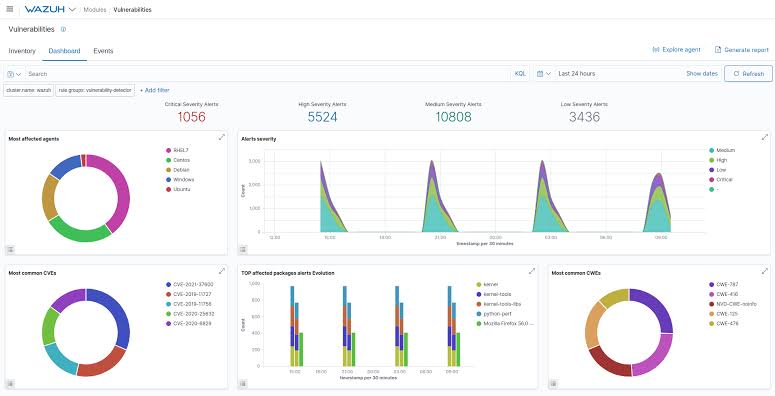
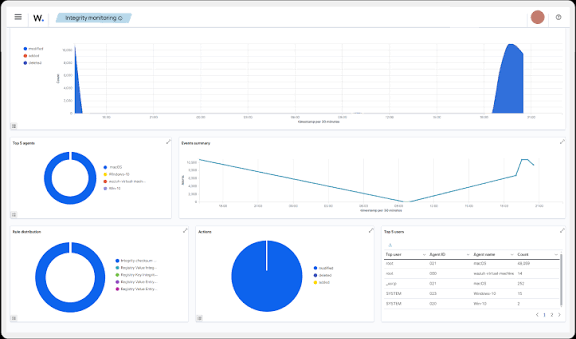
Wazuh is a enterprise open-source security platform evolving from the OSSEC core, offering advanced File Integrity Monitoring alongside threat detection, incident response, and regulatory compliance auditing. Its FIM engine tracks changes in file content, permissions, ownership, and attributes in near real-time.
- APIs & Protocols: Wazuh RESTful API, Elasticsearch/OpenSearch indexing APIs, Syslog, and custom webhook dispatchers.
- ML & Analytics: Automated threat intelligence cross-referencing with MITRE ATT&CK mapping and statistical anomaly categorization.
- Deployment Types: Self-managed, open-source deployment on bare-metal servers, Docker containers, or Kubernetes clusters.
7. ManageEngine EventLog Analyzer
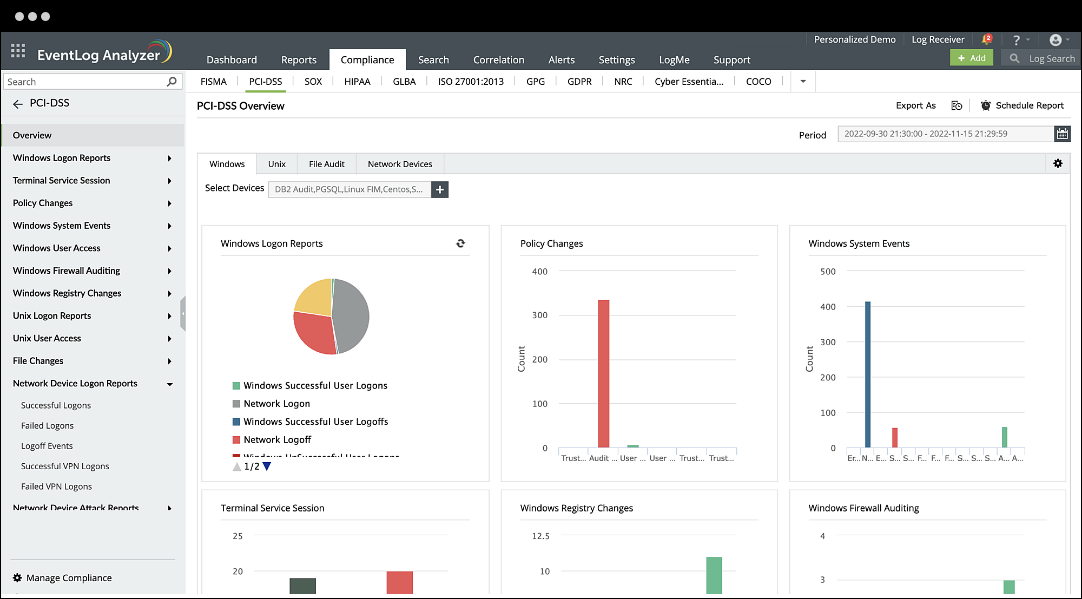
ManageEngine EventLog Analyzer provides comprehensive audit logging and real-time File Integrity Monitoring to track file access, creation, deletion, and modification. It generates detailed compliance reports for PCI DSS, SOX, HIPAA, and FISMA mandates.
- APIs & Protocols: REST API, Syslog (UDP/TCP/TLS), Windows Event Log API, WMI, and SNMP protocol interfaces.
- ML & Analytics: User and Entity Behavior Analytics (UEBA) powered by machine learning to spot suspicious user file access spikes.
- Deployment Types: On-Premises installation for Microsoft Windows Server and Linux operating systems.
8. Netwrix Change Tracker
Netwrix Change Tracker delivers continuous file integrity monitoring and system configuration auditing built specifically for enterprise zero-trust enforcement. It categorizes all system changes in real time, validating them against authorized change tickets to eliminate false-positive operational noise.
- APIs & Protocols: RESTful API, Syslog, Agentless RPC/WMI polling, and ITSM REST hooks (ServiceNow, BMC Helix).
- ML & Analytics: Closed-Loop Intelligent Change Control algorithms that automatically match real-world state changes to change tickets.
- Deployment Types: On-Premises Windows Server installation or customer-managed cloud IaaS hosting.
9. Trustwave Endpoint Protection (FIM)
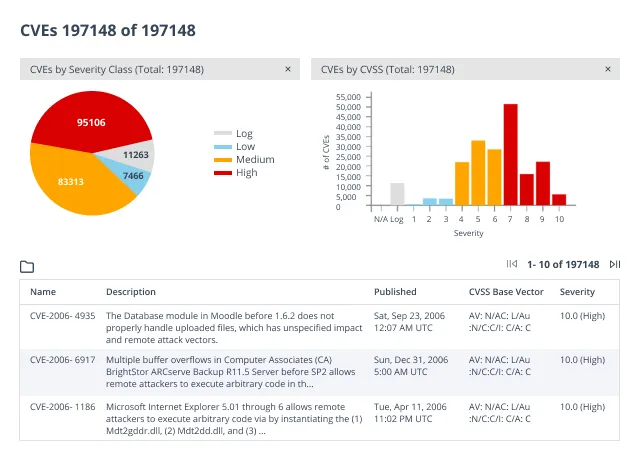
Trustwave Endpoint Protection incorporates specialized File Integrity Monitoring capabilities tailored for cardholder data environments (CDE) adhering strictly to PCI DSS Requirement 11.5. It monitors critical OS binaries, application files, and system registries to stop unauthorized code execution.
- APIs & Protocols: REST API, Encrypted TLS Agent Ingestion, Syslog, and Trustwave Fusion Platform cloud APIs.
- ML & Analytics: Cloud-driven threat intelligence matching and behavioral baseline heuristic models.
- Deployment Types: Managed Security Services (MSSP) hybrid architecture with lightweight endpoint agent software.
10. CimTrak Security Platform
CimTrak Security Platform provides real-time file integrity monitoring with instant remediation capabilities, allowing security teams to automatically revert unauthorized file or registry changes back to a clean baseline state. It provides comprehensive visibility across physical, virtual, and cloud assets.
- APIs & Protocols: RESTful API, Syslog, SNMP, TLS-encrypted agent protocol, and SIEM integration interfaces.
- ML & Analytics: Baseline deviation algorithms featuring automated roll-back and self-healing system recovery engines.
- Deployment Types: On-Premises master server architecture, cloud-hosted SaaS, or multi-tenant MSP console.
Frequently Asked Questions
How does File Integrity Monitoring (FIM) meet PCI DSS 4.0 requirements?
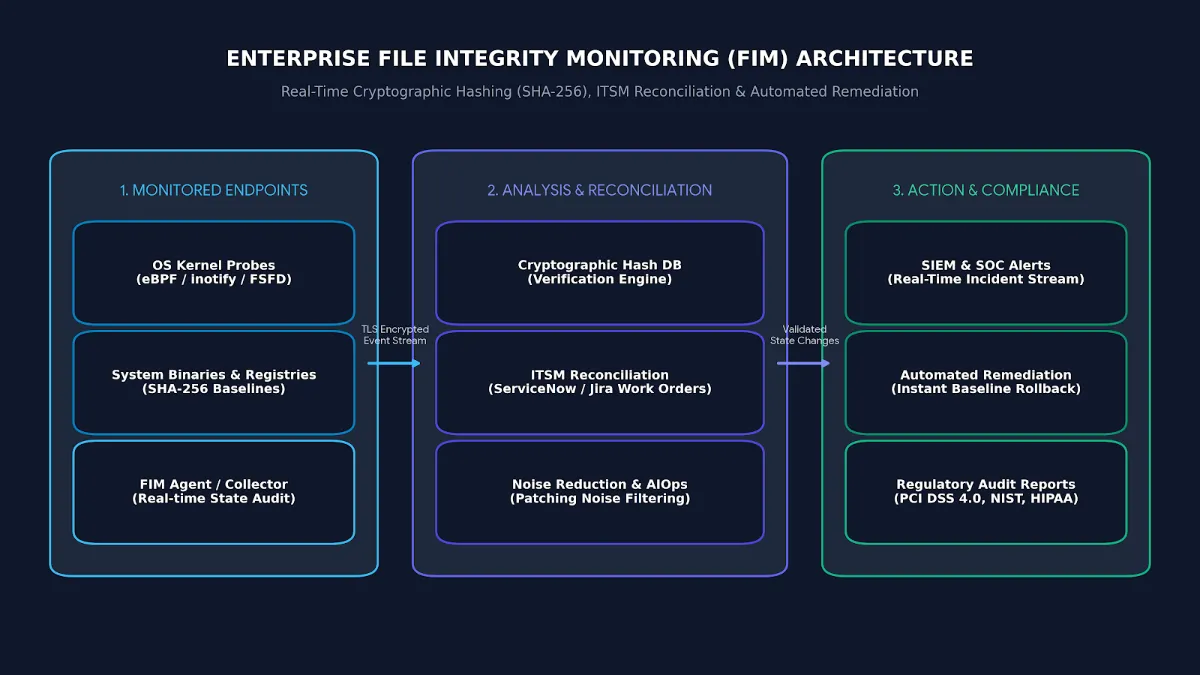
PCI DSS Requirement 11.5 (and updated 11.5.2 standards) mandates the deployment of file integrity monitoring or change-detection mechanisms to alert personnel to unauthorized modification of critical system files, content files, or configuration binaries. FIM tools perform automated cryptographic hashing (e.g., SHA-256) on target files at regular intervals or in real time, generating actionable audit logs to fulfill this explicit mandate.
What is the technical mechanism behind real-time FIM versus scheduled polling?
Scheduled polling FIM periodically scans target directories, calculates cryptographic file hashes, and compares them against a baseline database, which can be resource-intensive and create window gaps. Real-time FIM hooks directly into kernel-level file system event notify drivers (such as Linux inotify/eBPF or Windows File System Filter Drivers) to capture and evaluate modification events instantly upon file write operations.
How do enterprise FIM solutions manage false positive fatigue caused by routine software updates?
Enterprise FIM solutions reduce operational noise through intelligent change reconciliation and ITSM integration. By connecting to change management platforms (such as ServiceNow or Jira), the FIM platform automatically validates detected file changes against scheduled patch windows and approved change tickets, flagging only unapproved or anomalous file state modifications.
Advertisement